The Effect of Effective Data Destruction on Cyber Security Danger Administration
The Significance of Effective Information Devastation Practices in Safeguarding Sensitive Info and Ensuring Computer System Safety And Security
In an age where data violations are increasingly typical, the importance of effective data damage methods can not be overstated. Carrying out durable information damage techniques not only minimizes these threats but also straightens with legal conformity demands, making sure that organizations support their track record and foster client trust.
Understanding Data Destruction
Recognizing information devastation is essential in today's electronic landscape, where sensitive details can conveniently be endangered. Efficient information destruction involves not just removing files but making sure that data is irretrievable through extensive approaches. This process is essential for companies that manage confidential customer info, intellectual building, or inner papers, as any kind of violation can bring about serious financial and reputational consequences.
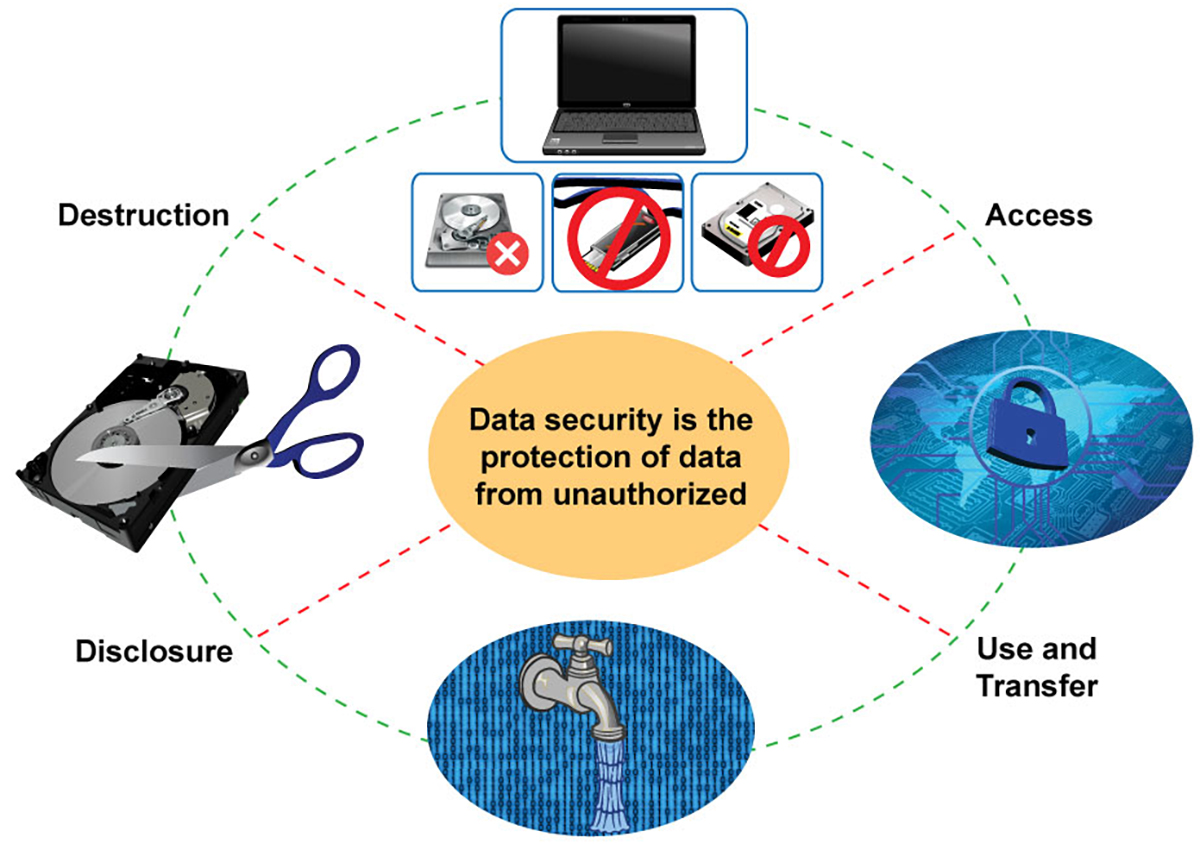
Data devastation includes different techniques, consisting of shredding physical media, degaussing magnetic storage space tools, and using software-based remedies that overwrite data several times. Each technique offers a certain purpose and has to straighten with the level of sensitivity of the information being gotten rid of. For instance, physical damage is commonly chosen for disk drives having highly private information, while software program techniques could be sufficient for much less delicate info.
Furthermore, adhering to industry requirements and laws, such as the General Information Security Regulation (GDPR) or the Wellness Insurance Policy Transportability and Liability Act (HIPAA), is imperative for compliance and to minimize lawful risks. Organizations needs to develop a durable information destruction plan, train workers on best techniques, and frequently investigate their procedures to guarantee that all sensitive details is disposed of securely and properly.
Risks of Inadequate Practices
Inadequate data devastation methods expose organizations to substantial risks that can have far-ranging consequences. When delicate information is not appropriately thrown away, it continues to be susceptible to unauthorized access, which can bring about information breaches and identity theft. Such incidents not just endanger the safety of individuals however also tarnish the company's online reputation, resulting in a loss of consumer trust fund and prospective monetary consequences.
Furthermore, governing conformity is increasingly strict in many industries. Failure to follow data damage policies can cause significant penalties and lawsuits versus companies. These fines can strain financial sources and draw away interest from core service operations.
On top of that, the misuse of residual information can bring about copyright burglary or company espionage, jeopardizing affordable advantages (data destruction). The influence of poor data damage expands past instant monetary losses; it can also result in lasting damages to brand name honesty and market placement

Organizations have to recognize that information safety is not only regarding preventing breaches; it also encompasses the responsible management of information throughout its lifecycle. Ignoring effective data destruction procedures can have tragic implications, emphasizing the necessity for robust procedures to reduce these threats.
Finest Practices for Data Destruction
Applying effective data destruction methods is vital for guarding delicate details and preserving conformity with regulatory requirements. Organizations ought to adopt a multi-faceted approach to ensure that information is irretrievable, thereby stopping unauthorized gain access to and prospective violations.
First, data ought to be straight from the source classified based on level of sensitivity, permitting companies to apply appropriate destruction techniques customized to the level of risk. For electronic information, utilizing software-based data-wiping devices that follow industry standards can successfully overwrite existing information. Physical damage approaches, such as shredding or degaussing, are crucial for tools that store sensitive details, ensuring complete elimination.
Establishing a clear data retention plan is crucial, detailing for how long different kinds of info need to be retained prior to devastation. Regular audits of information storage systems are additionally essential to identify out-of-date or unnecessary information needing removal.
Moreover, training employees on the significance of information devastation and the particular protocols to adhere to fosters a culture of protection within the company. Ultimately, maintaining documentation of data destruction processes offers responsibility and supports compliance with exterior regulations and interior plans. By sticking to these ideal practices, organizations can significantly alleviate the risks connected with data direct exposure.
Legal and Compliance Considerations

Failure to adhere to these policies can cause severe fines, including considerable fines and reputational damage. Organizations must apply a robust information damage policy that lines up with these legal structures and offers clear standards on the appropriate techniques of data disposal, whether physical shredding or electronic wiping.
Furthermore, maintaining documentation of information damage activities is vital for showing compliance throughout audits or examinations. By prioritizing lawful and compliance considerations, companies can improve their data protection pose and foster depend on with try this site stakeholders and clients, eventually adding to a much more secure information management atmosphere.
Advantages of Effective Information Destruction
Reliable information destruction methods expand beyond simple conformity; they provide substantial advantages to companies that prioritize them. By guaranteeing that delicate information is irretrievably ruined, companies reduce the threat of data breaches and the possible economic repercussions connected with them. This aggressive approach not only safeguards against unapproved gain access to but likewise boosts the overall dependability of the organization in the eyes of stakeholders and clients.
Executing durable data damage techniques, such as physical damage of storage space gadgets or sophisticated data wiping methods, contributes to the fortifying of a company's cybersecurity pose. data destruction. It lowers the possibility of copyright burglary and safeguards proprietary info, thus keeping a competitive edge out there
Conclusion
To conclude, efficient information damage practices are vital for protecting delicate info and boosting general computer safety. By carrying out comprehensive techniques such as software application, shredding, and degaussing overwriting, companies can mitigate the threats related to unapproved accessibility and data violations. Adherence to regulatory criteria, consisting of GDPR and HIPAA, further strengthens compliance and protects against legal repercussions. Eventually, a commitment to robust data devastation strategies cultivates a culture of responsibility, thus strengthening a company's cybersecurity pose and maintaining client count on.